⬇️ Key Takeaways
Google Ads underperformance for Australian cosmetic injectable clinics comes down to three areas. Campaign structure, broad match wastes budget on the wrong audiences, poor structure produces generic copy, and no negative keywords means irrelevant searches consume your budget. Landing pages, homepage traffic underperforms a dedicated page, message mismatch kills conversion rate, and incorrect tracking means you may not know if campaigns are working. Compliance, Google healthcare policies and AHPRA and TGA requirements apply simultaneously, and most generalist agencies discover these restrictions only after the damage is done.
Most cosmetic injectable clinics running Google Ads are getting clicks. The problem is those clicks are not turning into consultation bookings at a rate that justifies the spend. Budgets get burned, results disappoint, and the conclusion most clinic owners reach is that Google Ads does not work for their business.
That conclusion is almost always wrong.
The issue is rarely the budget. It is almost always one or more of five specific structural problems that are endemic to how Google Ads campaigns are built and managed for cosmetic injectable clinics in Australia. This article covers each problem specifically, why it happens, what it costs you, and what to do about it.
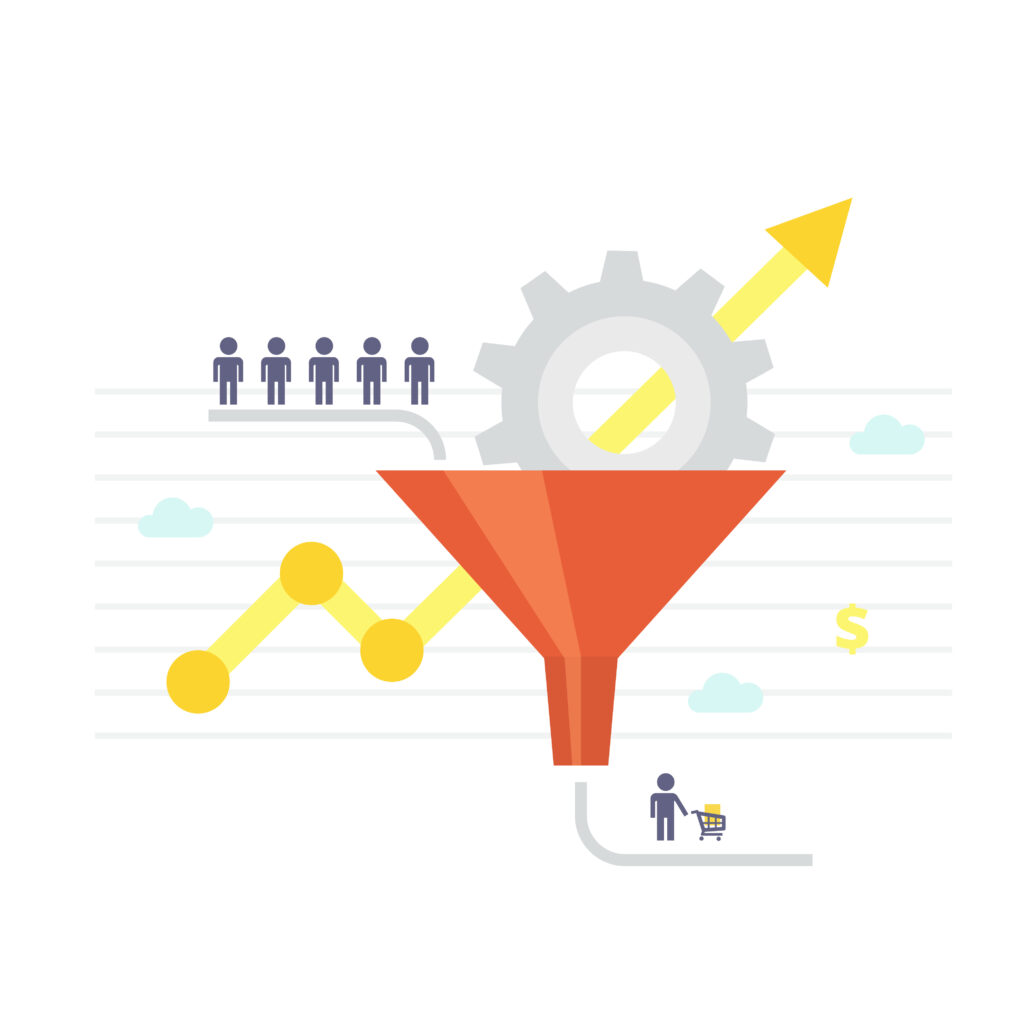
The Problem Is Not Always Your Budget
The first thing most clinic owners do when Google Ads underperforms is reduce the budget. That is almost always the wrong response.
Underspending is rarely the root cause of poor conversion rates. A campaign spending $5 per day with the wrong keywords, a weak landing page, and broken conversion tracking will not perform better at $50 per day. It will just burn money faster.
The five problems outlined in this article are structural. They exist regardless of budget level, and they need to be resolved before spending more makes any sense. More budget amplifies whatever is already happening in a campaign, good or bad. Fix the structure first, then scale.
Reason 1: The Wrong Keywords Are Triggering Your Ads
This is the most common and most costly mistake in Google Ads campaigns for cosmetic injectable clinics. It happens because of a single setting that most people do not pay enough attention to: keyword match type.
Google offers three match types. Broad match tells Google to show your ad whenever it decides your keyword is relevant to a search, and Google’s definition of relevant is very generous. Phrase match shows your ad when the search contains your keyword phrase or a close variation. Exact match shows your ad only when the search matches your keyword precisely or with very close variants.
For a niche B2B campaign targeting clinic owners and practice managers, broad match is a budget destruction mechanism. If you are running “Google Ads for cosmetic clinics” on broad match, Google may show your ad to someone searching for “cosmetic clinic jobs”, “botox training course”, “injectable supplies wholesale”, or “anti-wrinkle treatment near me”. None of those people are your customer.
The Search Terms report inside Google Ads shows you exactly what searches triggered your ads and resulted in clicks. For any campaign that has been running on broad match, this report is usually alarming. Every irrelevant search term that triggered a click is budget that did not reach a potential clinic owner.
The fix is straightforward. Switch to phrase match and exact match only. Build a comprehensive negative keyword list covering irrelevant categories, training, jobs, courses, patient-facing treatment terms, supply and equipment searches, and competitor brand names you do not want to appear for. Review the Search Terms report weekly and add new negatives as they appear.
Reason 2: Your Landing Page Is Not Optimised for Conversions
Getting the click is only half the job. What happens after the click determines whether you get a booking enquiry or a bounce.
Most cosmetic injectable clinic Google Ads campaigns send traffic to the homepage. This is almost always the wrong choice. The homepage serves multiple audiences simultaneously. It has navigation links pulling visitors in different directions, multiple CTAs competing for attention, and messaging too broad to speak directly to someone who clicked a specific ad for a specific treatment.
A patient who clicked an ad for “anti-wrinkle injections Toorak” wants to land on a page that speaks directly to that treatment in that suburb. Not a general clinic homepage where they have to hunt for the information they were promised.
The principle that matters here is message match. The promise made in your ad and the experience delivered on the landing page need to be consistent. When they are not, the visitor’s immediate reaction is confusion and they leave.
A high-converting landing page for a cosmetic injectable clinic has a single clear headline that mirrors the ad, a concise explanation of the treatment and what to expect, practitioner credentials clearly displayed, trust signals relevant to the patient, and one primary CTA, book a consultation. No navigation menu pulling people away. No competing offers. One page, one goal.
The landing page also needs to be AHPRA and TGA compliant. Claims about guaranteed results, outcome-focused language, and prohibited terms create compliance risk for your clinic and can result in the page being flagged by Google’s own review systems, which affects both your ad performance and your registration obligations.
Reason 3: Your Ad Copy Is Attracting the Wrong Clicks
Not all clicks are equal. Some clicks come from people who are genuinely ready to enquire about your services. Others come from people who are curious, researching, or simply not the right fit. Your ad copy determines which type of click you attract.
Generic ad copy that describes what you do without filtering who should click tends to generate high click-through rates and low conversion rates. It attracts everyone rather than the right people.
For a cosmetic injectable clinic marketing agency, the right people are established clinic owners and practice managers who are actively looking for specialist marketing support. The wrong people are clinic owners just exploring their options, patients looking for treatments, or anyone else who clicked because the ad appeared in their results without genuine commercial intent.
Ad copy that pre-qualifies the click uses specific language that resonates with the target audience and implicitly filters out everyone else. Headlines like “AHPRA Aware Clinic Marketing” or “For Established Injectable Clinics” immediately communicate a level of specificity that attracts the right reader and signals to everyone else that this is not for them.
This is one of the areas where AHPRA and TGA advertising constraints actually create a competitive advantage when understood properly. Being forced to write without outcome claims and promotional language pushes you toward credibility-based copy that tends to attract higher-quality clicks from more informed prospects.
Reason 4: Conversion Tracking Is Not Set Up Correctly
This is the most underdiagnosed problem in Google Ads for cosmetic injectable clinics. Many clinic owners believe their campaigns are not working when the real issue is that they have no reliable way of knowing whether they are working or not.
Conversion tracking is the system that tells Google Ads what a meaningful action looks like on your website. Without it, the campaign has no signal to optimise toward and you have no data to make decisions from.
For a cosmetic injectable clinic marketing service, meaningful conversions are specific and limited. A form submission on your contact or strategy session page is a conversion. A click on your phone number is a conversion. A click on a booking link is a conversion. A page view, a scroll depth event, or a time-on-page metric is not a conversion, it is a micro-engagement that tells you almost nothing about whether your campaign is generating real enquiries.
The most common setup error is counting the wrong events as conversions. When a campaign reports twenty conversions per month but actual enquiries are three or four, the tracking is counting micro-events and inflating the reported performance. This creates false confidence and makes optimisation decisions impossible.
The best practice setup connects GA4 to Google Ads, defines real conversion events in GA4, and imports only those events into Google Ads as conversions. Every campaign should be reviewed against actual enquiries received; if the numbers do not match, the tracking needs to be audited.

Reason 5: The Campaign Structure Does Not Match Search Intent
A single campaign with all keywords in one ad group and one set of ads forces you to write generic copy that attempts to serve every search intent simultaneously. It almost never works well.
The searches that lead someone to enquire about Google Ads management are different from the searches that lead someone to enquire about SEO services. The intent is different, the stage of decision-making may be different, and the language that resonates is different. Putting both keyword groups in the same ad group means the ad copy has to be generic enough to serve both, and generic copy converts poorly.
For a cosmetic injectable clinic marketing agency, the right campaign structure separates intent clearly. A Google Ads and PPC campaign targets searches related to paid advertising management. An SEO campaign targets searches related to organic search visibility. Each campaign has its own ad groups, its own keyword lists, and its own ad copy written specifically for that intent.
City-level targeting adds another layer of relevance. A clinic owner in Sydney searching for “google ads for cosmetic clinics sydney” is looking for something more locally specific than a general Australian search. Campaigns structured to target specific cities can use city-specific ad copy and landing pages that reinforce local relevance.
Quality Score is Google’s internal measure of how relevant your ad is to the search that triggered it. A well-structured campaign with tightly themed ad groups and relevant landing pages will consistently achieve higher Quality Scores than a poorly structured one. Higher Quality Scores mean lower cost per click and better ad positioning, which means your budget goes further and your ads appear more prominently.
The Compliance Layer That Most Agencies Miss
Google classifies healthcare as a sensitive category. Campaigns for cosmetic injectable clinics are subject to Google’s healthcare advertising policies on top of standard platform rules, restricting certain claims, requiring advertiser verification, and risking ad disapprovals or account restrictions when violated.
AHPRA and TGA advertising guidelines apply simultaneously. Ad copy using prohibited terms, outcome claims, or guaranteed results creates regulatory risk for the clinic regardless of whether Google approves the ad.
The two frameworks overlap but are not identical. An ad that passes Google’s review may still breach AHPRA guidelines. An ad written for AHPRA compliance may still fall foul of Google’s sensitive category policies.
Most generalist agencies are not across both sets of requirements at once. The result is non-compliant copy, disapproved campaigns, or hedged messaging so cautious it fails to convert.
The correct approach is to understand both frameworks and build ad copy that operates within both from day one, which requires specific knowledge of the Australian cosmetic injectable advertising environment.
What a Properly Structured Google Ads Campaign Looks Like for a Cosmetic Injectable Clinic
Putting all of the above together, here is what a well-structured Google Ads campaign looks like for a cosmetic injectable clinic marketing service.
Campaign structure
Two separate campaigns minimum. One targeting Google Ads and PPC service searches. One targeting SEO service searches. Each with its own ad groups, keywords, and ad copy written for that specific intent.
Match type discipline
Phrase match and exact match only. No broad match. Negative keyword list covering training, jobs, courses, patient-facing treatment terms, and any other irrelevant categories identified through the Search Terms report.
Ad copy
Headline combinations that are specific to the niche, AHPRA and TGA aware, and written to pre-qualify the click rather than maximise click-through rate at any cost. Descriptions that communicate credibility, specificity, and a clear next step.
Landing pages
Dedicated landing pages for each campaign, not the homepage. Each page matched to the specific intent of the campaign driving traffic to it. Single clear CTA. No competing navigation or distractions.
Conversion tracking
GA4 is connected to Google Ads. Real conversion events are defined and imported from submissions, phone clicks, and booking link clicks. No micro-events counted as conversions.
Ongoing optimisation
Search Terms report reviewed weekly. New negatives added regularly. Ad copy tested and refined based on actual conversion data not impressions or clicks alone.
Working With a Specialist Makes A Difference
Google Ads for cosmetic injectable clinics in Australia is genuinely difficult to get right. The combination of niche B2B targeting, low search volumes, healthcare advertising policies, and AHPRA and TGA compliance requirements means that generic campaign management almost always underdelivers.
At Vstock Media we work exclusively with Australian cosmetic injectable clinics and the agencies that serve them. Every campaign we build is structured around the specific intent of clinic owner searches, written within AHPRA and TGA advertising requirements, and tracked against real conversion events from day one.
If your current Google Ads campaigns are generating clicks but not bookings, we are happy to take a look and tell you specifically what is happening and what to fix.
Best regards,
Dmitri
Frequently Asked Questions About Google Ads for Cosmetic Injectable Clinics
How much should a cosmetic injectable clinic spend on Google Ads?
A starting budget of $30 to $50 per day is sufficient to gather meaningful data within four to six weeks for most Australian metro markets. The right budget depends on your location, the competitiveness of your target suburbs, and the treatments you are promoting. More important than the starting budget is having the campaign structure right before scaling spend.
How long does it take for Google Ads to start generating bookings for a cosmetic clinic?
Most campaigns go through a learning phase of seven to fourteen days where Google’s algorithm is gathering data on when and where to show your ads. Meaningful booking enquiry data typically accumulates over four to six weeks. Optimisation decisions should be based on at least thirty days of data where possible.
Can cosmetic injectable clinics advertise on Google?
Yes. Cosmetic injectable clinics can advertise on Google. However campaigns are subject to Google’s healthcare advertising policies and must comply with AHPRA and TGA advertising requirements simultaneously. Specific terms, claims, and promotional language are restricted or prohibited under one or both frameworks. Campaigns must be reviewed for compliance before going live.
What is a good conversion rate for a cosmetic clinic Google Ads campaign?
Conversion rates vary depending on what is being counted and the quality of the landing page. For a cosmetic injectable clinic, a form submission or phone call rate of two to five percent of clicks is a reasonable benchmark. If your conversion rate is below one percent the landing page and conversion tracking setup should be audited before increasing budget.
Does my cosmetic clinic need a separate landing page for Google Ads?
Yes. Sending paid traffic to your homepage consistently underperforms against a dedicated treatment or service landing page. The landing page should match the specific treatment the patient searched for, have a single clear call to action, and be free of navigation elements that pull visitors away before they book.
How do AHPRA guidelines affect Google Ads for cosmetic injectable clinics?
AHPRA’s advertising guidelines apply to all public-facing communications by or about registered health practitioners, including Google Ads. Ad copy cannot use testimonials, cannot make outcome claims, cannot use prohibited terms like safe, painless, or guaranteed, and cannot reference promotional discounts. All campaigns must be reviewed against these requirements before going live and monitored for compliance on an ongoing basis.

Request a Strategy Session
If you run an established cosmetic injectable clinic and want clearer, more predictable patient enquiries, let's have a focused conversation.